All Categories
Featured
Table of Contents
In the stock tab, click on unmanaged resources to get the list of all unmanaged resources. Select the unmanaged resource you want to manage using the IaC and click the codify button. The Codify button will generate an IaC code for the selected resource for numerous IaC tools like Terraform, Open Tofu, pulumi, and so on.
Firefly likewise considers any dependency connected to the resource and can create code for those. You will observe that the property is noted under a codified category.
Firefly tracks any drift between the preferred and the genuine state of all the managed resources. For instance, SRE created an EC2 device with size using Terraform, but then, due to a requirement, updated to size utilizing AWS console. This will create a distinction between the actual state and the preferred state.
Using the similar actions we followed above to codify an unmanaged asset, you can manage the drifted resource., or you can produce your own to improve possession configurations and improve cloud services' efficiency, functionality, and security.
Using Firefly, you can get notifications about the modifications in the state or configuration of your possessions and brand-new policy violation subscriptions. Firefly streamlines the cloud migration process. Users can select their existing cloud possessions, like AWS EC2 circumstances. Firefly will produce the matching Infrastructure-as-Code (IaC) for Azure or Google Cloud VM.
Is Your Cloud Governance Strategy Scalable or Merely Functional?Key Methods for Better IT Asset Allocation
Using Firefly, you can pick the cloud service for which you desire to create the IaC.From the inventory tab, pick the resource you desire to move to a various cloud and click on codify. You will see the cloud migration option on the left in the codify dialogue box.
Run the produced code to create the resource in the destination cloud. Cloud possession management brings property management ideas into the contemporary cloud period. Itinvolves tracking, managing, and enhancing cloud resources and services throughout various environments to make sure efficient use, expense savings, and enhanced security. It offers exposure into cloud resources, assists control costs, ensures compliance with security policies, and enhances functional effectiveness by preventing resource sprawl and underutilization.
Consistent tagging practices are important for proper management and reporting. Firefly, a cloud-based property management software application, simplifies the procedure by producing Infrastructure-as-Code (IaC) for cloud possessions, maintaining property history, providing a central stock throughout cloud service providers and IaCs, and offering tools for tracking and enhancing resource usage.
Possession management is extremely versatile for cloud environments. The significant cloud service providers also supply native frameworks and tools for their platforms. Google's Cloud Asset Inventory is created to provide real-time details, pulled from Google Cloud resources and policies, on the present state of your cloud possessions throughout the organization. Integrated automation tools can then use this details, or snapshot, to monitor for any security or policy offenses and take corrective action if directed.
Using Efficiency Metrics to Improve Cloud ROI
Google also plays well with others, by integrating with other Security Details and Event Management (SIEM) tools organizations can develop a merged, comprehensive view of all their resources throughout all environments. AWS offers a comparable set of tools, the AWS Systems Manager Inventory. The AWS SMI gathers metadata from properties, and if connected can wait to an Amazon S3 bucket where analysis can reveal their state.
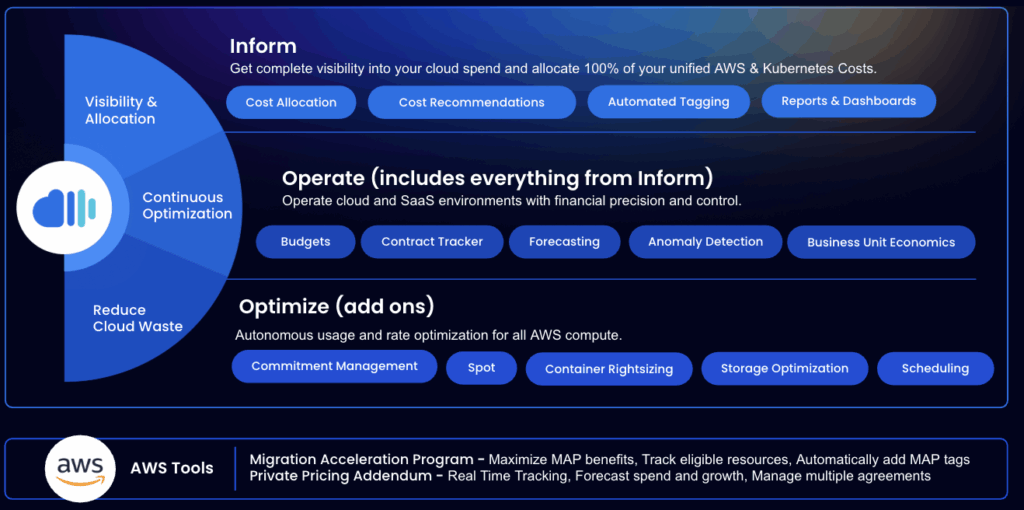
AWS is customizable, enabling the collection of custom parameters, as well as scheduling gathering items. Too, and beyond just creating a stock, IBM provides their IBM Multicloud Management Platform (MCMP) Expense and Possession Management (CAMERA) that examines costing and performance, constantly notifying leadership of waste and cost savings chances, efficiently responding to, what does it cost to run business, to supply IT services? What resources and how much are being taken in? Where are the very best locations to make compromises, or shed unused services? And how can IT line up more carefully with future goals.
Cloud Asset Management (CAM) is the process of tracking, enhancing, and governing cloud resources, including facilities, applications, and data storage. It helps organizations acquire presence into their cloud use, control expenses, make sure compliance, and avoid security threats. With cloud environments continuously developing, efficient asset management is vital for maintaining effectiveness and minimizing waste.
Refining Resource Allocation to Reduce Excess IT Costs
As business start digital transformation journeys, the cloud functions as an essential element for accomplishing their tactical goals. This might include hosting their own applications and data or leveraging third-party services like Amazon Web Provider, Microsoft Azure, or Google Cloud. With digital improvement efforts in full swing, versatility and dependability of IT resources can't be overemphasized.

Latest Posts
Proactive Cloud Asset Management for Cost Control
Is Your 2026 IT Spending Ready?
Scalable Methods to Lower Enterprise Costs